
When selecting and using temperature measurement instruments, the following key aspects should be considered:
1. Measurement Range and Accuracy: These are the most fundamental parameters. It is essential to ensure that the instrument's measurement range covers the potential temperature span of the application. Accuracy indicates how closely the measured value aligns with the true value; requirements vary significantly depending on the application. For instance, laboratory research might demand accuracy to within one-thousandth of a degree, whereas one-hundredth of a degree might suffice for general industrial monitoring. High-precision instruments (such as certain platinum resistance thermometers) come at a correspondingly higher cost.
2. Response Time: This refers to the time required for the instrument's reading to reflect a specific percentage of a change in the measured temperature. Response time depends on the sensor's structure and operating principle, as well as the nature of its contact with the medium being measured. For processes involving rapid temperature changes (such as monitoring chemical reactions), thermocouples or thin-film resistance temperature detectors (RTDs) with fast response times are required; for steady-state or slowly changing temperatures, response time requirements can be less stringent.
3. Stability and Durability: Stability refers to an instrument's ability to maintain its performance parameters over extended periods of use. Durability refers to its ability to withstand adverse conditions such as mechanical shock, vibration, and corrosive environments. Instruments used in industrial settings require high levels of stability and durability; for example, metal-sheathed thermocouples or RTDs equipped with protective thermowells are better suited for harsh operating conditions.
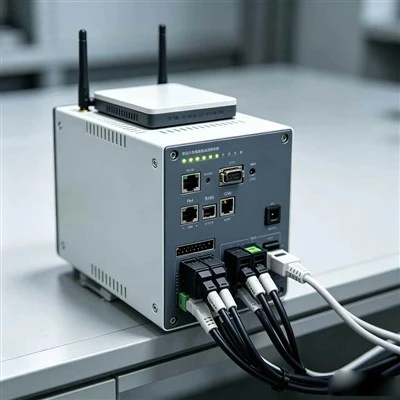
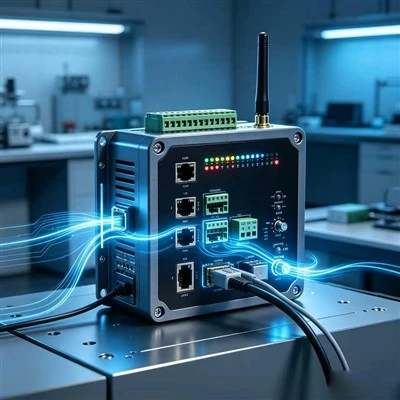
4. Output Signals and Connection Methods: Early instruments typically featured local analog displays, such as pointers or liquid columns. Modern instruments generally convert temperature readings into standard electrical signals (e.g., 4–20 mA current signals or 0–10 V voltage signals) or digital signals (transmitted via bus protocols like HART or Profibus, or directly via wireless transmission). This facilitates the integration of temperature data into control systems, data loggers, or computers for centralized monitoring, recording, and analysis-enabling remote operation and automation-advantages that traditional purely mechanical instruments cannot match.